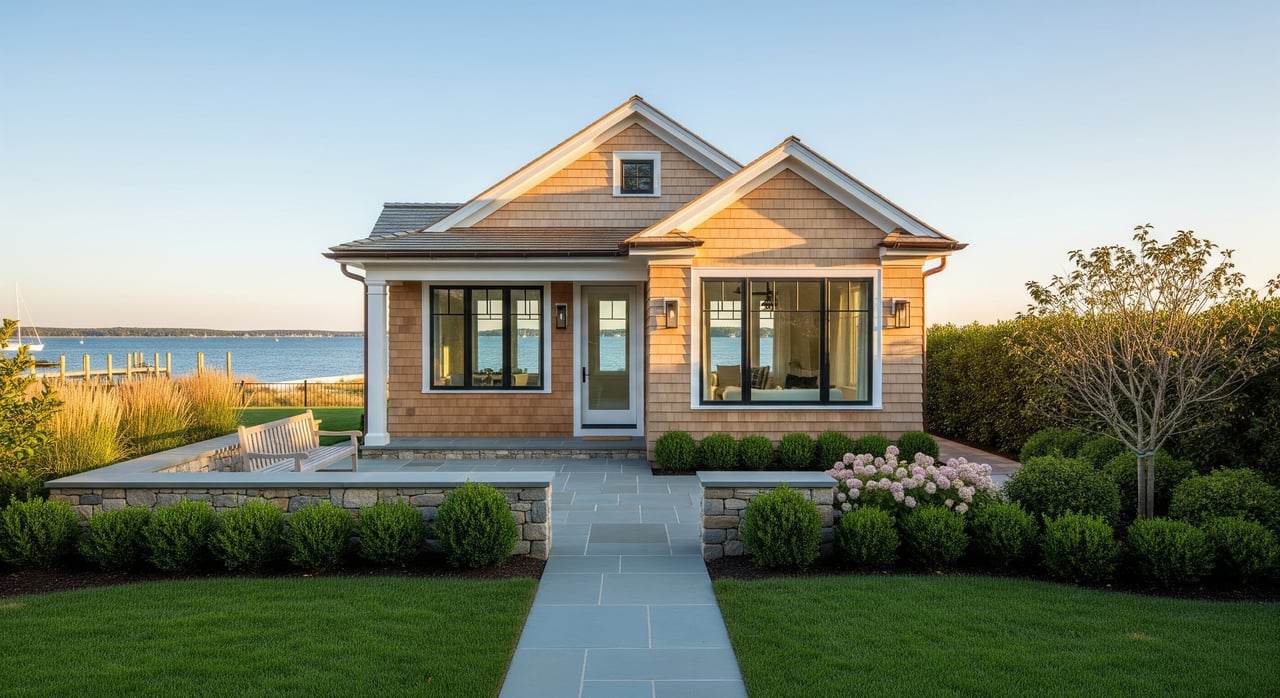
Thinking about adding an accessory dwelling unit for extra space or dependable rental income? In Shippan Point, the coastal setting you love also adds layers of rules that can make or break an ADU plan. You want a clear, local roadmap before you invest time or money. In this guide, you’ll learn how to scope an ADU in Stamford, what to verify for Shippan lots, what permits to expect, and the questions to ask City staff so you can move forward with confidence. Let’s dive in.
Why ADUs appeal in Shippan
An ADU can create flexible living options for family, guests, or a caregiver. It can also produce long-term rental income that offsets housing costs. In Shippan Point, many homes already have garages, basements, or attic space that invite smart conversions.
Shippan’s coastal environment means you should plan carefully for floodplain rules, site constraints, and construction costs. A well-researched ADU strategy helps you protect your budget and timeline.
Know the rule stack in Stamford
The layers that shape your approval
Several layers of regulation can apply at once:
- State housing and land use rules that guide municipal zoning.
- Stamford municipal rules, including zoning regulations, permitting through the Land Use and Building Departments, and any health or utility requirements.
- Overlay areas that are common in Shippan, such as the coastal zone and floodplain. Some parcels may also carry special district or historic considerations.
Your project choices that drive the rules
Your design and use decisions determine which standards apply:
- Type: interior conversion, attached addition, or detached structure.
- Use: family occupancy, long-term rental, or short-term rental.
- Scale: compact studio or full apartment relative to the main house.
- Access and utilities: separate entry, shared or separate meters, and parking layout.
Clarifying these choices upfront helps City staff steer you to the right process.
Stamford ADU topics to confirm
Treat the items below as a checklist to verify in Stamford’s current zoning regulations and with City staff. Exact limits or allowances can change, and many details depend on your specific lot.
- Permitted use and process: Confirm whether ADUs are allowed in your zoning district, if attached and detached ADUs are both eligible, and whether conversions are treated differently from new detached structures. Ask if the path is by-right, administrative approval, or special permit.
- Owner-occupancy: Ask if the owner must live in the principal home or the ADU, whether there is a recorded covenant, and whether family or affordability programs change the rules.
- Size and count: Confirm the maximum ADU square footage, how it is measured, whether there is a one-per-lot limit, and if there are minimum size or occupancy standards.
- Parking: Ask if an extra on-site space is required, if reductions are possible near transit, and how driveway or curb cut limits apply on narrow Shippan lots.
- Setbacks and coverage: Verify how the ADU counts toward lot coverage, impervious area, FAR, and height. Ask about any reduced setbacks for detached ADUs and whether coastal or flood overlays add separation or elevation requirements.
- Building code and utilities: Discuss egress, fire separation, smoke and CO alarms, mechanical and plumbing upgrades, and whether separate meters are required or if shared connections are allowed.
- Floodplain and coastal review: Confirm FEMA zone, Base Flood Elevation, and whether Coastal Site Plan Review, a floodplain development permit, or elevation and foundation standards apply.
- Short-term rentals: If you plan to rent through a platform, ask about short-term rental rules, any registration or licensing, and taxes. Confirm whether ADUs face extra restrictions.
- Historic or private covenants: Check for historic designations or neighborhood covenants that could limit ADUs or rentals.
Shippan-specific constraints to plan for
Lot size and setbacks
Many Shippan lots are narrow or shallow, which can squeeze options for a detached ADU or a large addition. Setbacks, height, and lot coverage can limit massing, especially for new structures. Measure twice and sketch early so you can test what fits within your buildable envelope.
Parking and driveway realities
Street parking can be limited, and adding on-lot parking may reduce green space. Expanding a driveway increases impervious area, which can trigger stormwater or drainage review. Work through a parking layout that balances code needs with site impacts.
Flood zones and elevation
Shippan properties often sit within FEMA AE or VE zones. Habitable space may need to be elevated above Base Flood Elevation, which affects design, stairs, accessibility, and cost. Foundations, flood vents, or flood-resistant materials may be required.
Sewer versus septic
Some properties may be sewered, others may rely on septic. If you are on septic, system capacity can limit bedrooms and occupancy, and upgrades may be required. Early confirmation of utility status helps you avoid redesign late in the process.
Access, egress, and safety
Narrow side yards can complicate separate entrances and code-required egress. Detached units may face emergency access requirements. Align your layout with life-safety standards before you finalize the plan.
Neighborhood expectations
Homes in close proximity can make neighbor outreach important, especially if a public hearing is part of your path. A thoughtful design and clear parking plan can reduce friction.
Permit path and timeline basics
Every project is unique, but these steps and time frames are typical when you start an ADU in Stamford. Ask City staff which apply to your parcel.
- Property constraints check: Use parcel data to confirm zoning district, lot area, any coastal or flood overlays, utilities, and recorded setbacks. Pull your deed and assessor record.
- Pre-application chat: Schedule an intake or pre-application meeting with Land Use or Zoning. Bring a simple site sketch with your proposed ADU type, size, and parking.
- Formal applications: Depending on your concept, you may need zoning or administrative approvals, site plan review if parking or circulation changes, a building permit, coastal and floodplain permits, and Health Department approval if on septic. Variances or special permits can trigger public hearings and neighbor notice.
- Timeline ranges: Pre-application meetings often take 2 to 4 weeks to schedule. Zoning or administrative approvals can take weeks to a few months. If a special permit, variance, and hearings are required, plan for 2 to 4 months or more. Building permits and construction time vary by scope. Conversions often finish faster than detached new builds.
- Cost components: Budget for application, plan review, inspection, and building permit fees, plus consultant costs for an architect or engineer and a surveyor. Flood elevation and foundation work can be a significant line item in Shippan.
Budget, design, and financing tips
- Conversion vs new: Interior conversions generally cost less than ground-up detached units. In flood zones, even small additions or conversions can require elevation or floodproofing that raises costs.
- Elevation and foundations: Meeting Base Flood Elevation and coastal requirements can add stairs, structural upgrades, and specialized materials. These are essential for compliance and resilience.
- Parking tradeoffs: Added parking can increase impervious surface, which may require stormwater mitigation. Weigh on-site needs against design and landscape goals.
- Financing and taxes: An ADU can raise assessed value and property taxes. Rental income can impact mortgage qualification and may require lender approval. Confirm lender requirements before you proceed.
- Insurance: Coastal exposure often means higher flood insurance premiums. Adding livable square footage in or near a floodplain changes risk and cost.
Three common Shippan ADU scenarios
1) Small interior ADU
A basement or attic conversion can be the simplest route if zoning and building code standards are met. Key checks include minimum ceiling height, egress windows or doors, fire separation, and utilities. If the space sits below Base Flood Elevation, floodplain rules may limit habitable use or trigger design changes.
2) Attached ADU
An addition that shares a wall with the main house can be efficient for utilities and circulation. Confirm how it counts toward lot coverage and FAR, whether setbacks can accommodate the mass, and whether flood elevation applies. Parking and entry placement are key for privacy and code compliance.
3) Detached ADU
A new carriage house or a garage conversion offers separation and flexibility. Expect more scrutiny on setbacks, height, lot coverage, parking, and coastal or flood permits. Detached units also tend to be the most expensive due to foundations, utilities, and life-safety pathways.
Your first 10 steps
- Map your goals: family use, long-term rental, or both.
- Choose a preliminary ADU type and ballpark size based on your lot.
- Pull parcel data: zoning district, lot area, setbacks, and any overlays.
- Verify utilities: sewer or septic, and existing service capacity.
- Sketch a simple site plan with approximate ADU location and parking.
- Book a pre-application meeting with Land Use or Zoning to confirm process.
- If in a flood zone or coastal area, consult the floodplain and coastal staff early.
- If on septic, contact the Health Department to confirm system capacity and any upgrades.
- Speak with an architect or designer who has coastal and ADU experience for a feasibility estimate.
- If renting, confirm short-term rental rules and any registration or tax obligations.
Questions to bring to City staff
- Is an ADU allowed on this parcel under current zoning, and what is the approval path?
- Does owner-occupancy apply, and how is it documented or enforced?
- What is the maximum ADU size on this lot, and how is it calculated?
- Is an extra parking space required, and are reductions possible in Shippan?
- How will the ADU count toward coverage, FAR, and impervious limits, and will it trigger stormwater review?
- Does this parcel require Coastal Site Plan Review or floodplain permits, and what elevation standards apply?
- If septic, what approvals or system upgrades are needed to add an ADU?
- Are short-term rentals allowed in ADUs, and what registration or taxes apply?
- What is the expected timeline and fee schedule for the approvals and permits?
- Are there local consultants who frequently work on Stamford coastal and ADU projects?
Partner with a local advisor
An ADU can add real value when it is planned around Shippan’s site realities, flood risk, and the current Stamford code. A local, process-driven approach helps you avoid dead ends, protect your budget, and position the unit for long-term success.
If you want personalized guidance on value impact, buyer demand, and rental potential, reach out. I offer a calm, consultative process and a vetted network of local pros to help you move from concept to completion.
Ready to evaluate your options and budget confidently? Request a complimentary home valuation and ADU consult through Unknown Company.
FAQs
What is an ADU in the Stamford context?
- An accessory dwelling unit is a secondary, self-contained living space on the same lot as a primary home. It can be interior, attached, or detached, and must meet zoning and building code standards.
Are ADUs allowed in Shippan Point today?
- Allowance depends on your zoning district and current regulations. Confirm with Stamford Land Use or Zoning whether an ADU is permitted on your parcel and the required approval path.
How does the flood zone affect an ADU in Shippan?
- If your lot is in a FEMA flood zone, habitable space may need to be elevated above Base Flood Elevation, and coastal or floodplain permits may apply. This can influence design, stairs, and cost.
Can I rent an ADU short-term through a platform?
- Short-term rental rules vary and can include registration and taxes. Verify the current Stamford requirements and whether ADUs face specific restrictions before planning.
How long does ADU approval take in Stamford?
- Timelines vary by project and review type. Pre-application scheduling can take 2 to 4 weeks, administrative approvals may take weeks to a few months, and special permits or variances with hearings can add 2 to 4 months or more.
Do I need extra parking for an ADU in Shippan?
- Many ADU proposals require on-site parking. Confirm the exact standard for your zoning district and ask about any reductions or alternatives that may apply to your site.