Thinking about selling your Westover home but unsure how to prep, price, and time it for the best result? You are not alone. Westover is a unique, wooded enclave of Stamford where acreage, privacy, and lifestyle drive buyer decisions. In this guide, you will learn how to stage for what Westover buyers value most, set a price using the right comps, and choose a launch window that supports both speed and price. Let’s dive in.
Why Westover sells differently
Westover sits in western Stamford, close to downtown yet surrounded by greenery. It blends pre-war estates with modest ranch and Colonial homes, often on larger lots that feel private and retreat-like. Local open spaces include Mianus River Park and Fort Stamford, both key lifestyle draws for buyers who value outdoor access. You can see this character reflected in the Westover neighborhood profile.
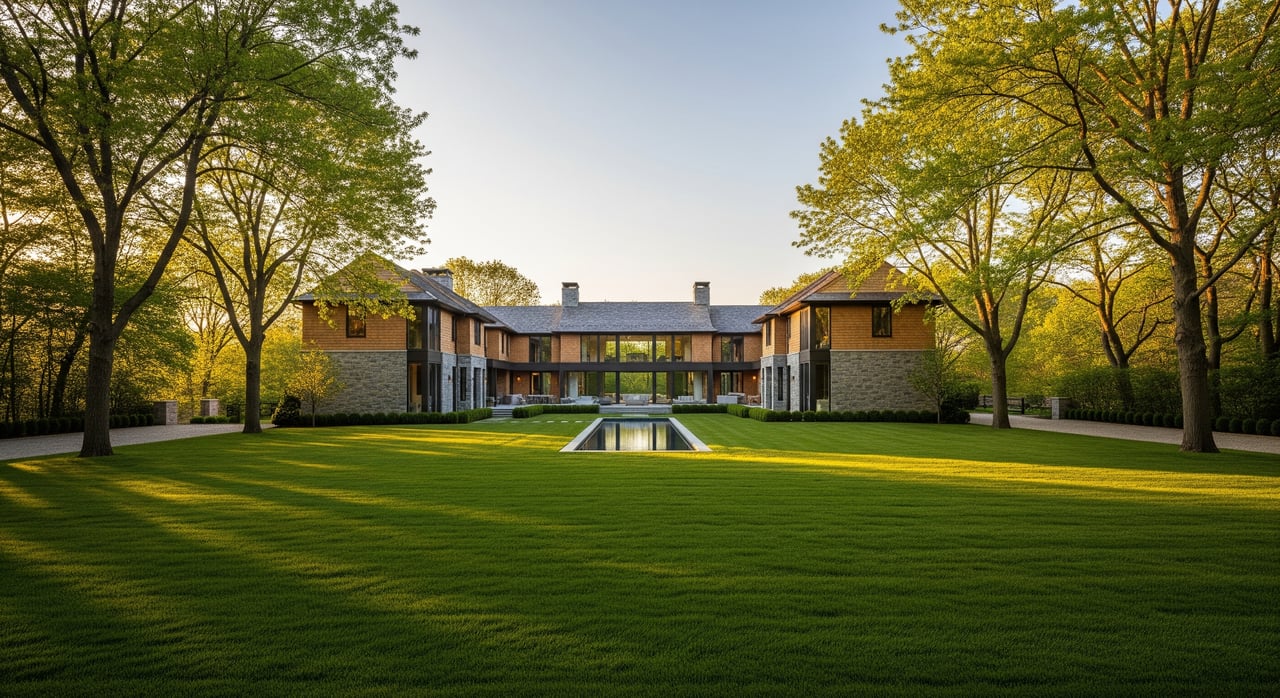
Lot sizes tend to be larger than in many Stamford neighborhoods. Some parcels approach an acre or more, with stone walls, long driveways, and outdoor amenities. Listings in and around Westover have ranged widely, from the low seven-hundreds to multi-million-dollar estates, depending on acreage, condition, and finish. This spread is why a one-size-fits-all approach to pricing does not work here.
Buyers considering Westover often value privacy, outdoor living, and a convenient commute within Stamford or to NYC. Many are drawn to the lifestyle of a wooded neighborhood near parks and schools, while staying close to corporate centers and transportation. That mix of priorities shapes how you should present and price your home.
Set a pricing strategy that fits Westover
Public market trackers tell different stories depending on how they define boundaries. At the city level, recent estimates show Stamford’s home value index around $680,536, up roughly 5.4 percent year over year, while one monthly sales snapshot reported a median sale price near $635,000 with a year-over-year dip. Meanwhile, Westover-specific snapshots often show materially higher medians, sometimes in the low-to-mid $1M range, due to larger lots and a higher share of estate properties. The variance is real and it stems from how each data provider draws neighborhood lines and what property types they include.
The takeaway: use a local MLS comparative market analysis that isolates true Westover streets and recent closed sales on comparable lot sizes. Price dispersion inside Westover is wide, so lean on comps with similar acreage, usable outdoor space, and floor plan functionality.
What to weigh in your price
- Lot size and privacy. Acreage is a core value driver in Westover. Adjust comps for usable acreage, not just tax lot size. Premiums can be meaningful, especially for 0.5 to 3+ acre parcels with clear outdoor living. The Westover guide highlights the area’s larger lots and wooded feel.
- Condition and systems. Today’s buyers favor move-in-ready homes. Renovated kitchens and baths, plus updated mechanicals, can reduce friction in negotiations and support a stronger price. Current marketing guidance emphasizes move-in readiness for wider appeal, as noted by HomeLight’s seller marketing insights.
- Right-pricing to drive early tours. Overpriced listings tend to sit and face price cuts. Slightly aggressive but market-supported pricing can spark early showings and better offers. Validate any pricing strategy with relevant comps.
Stage to showcase land and lifestyle
In Westover, you are not only selling a house. You are selling a retreat-like setting. Staging that highlights privacy, usable acreage, and indoor-outdoor flow makes a real difference. National guidance backs the return on professional staging and imagery for higher-price properties, which applies to many Westover listings. See HomeLight’s guidance on marketing and staging.
Exterior and lot priorities
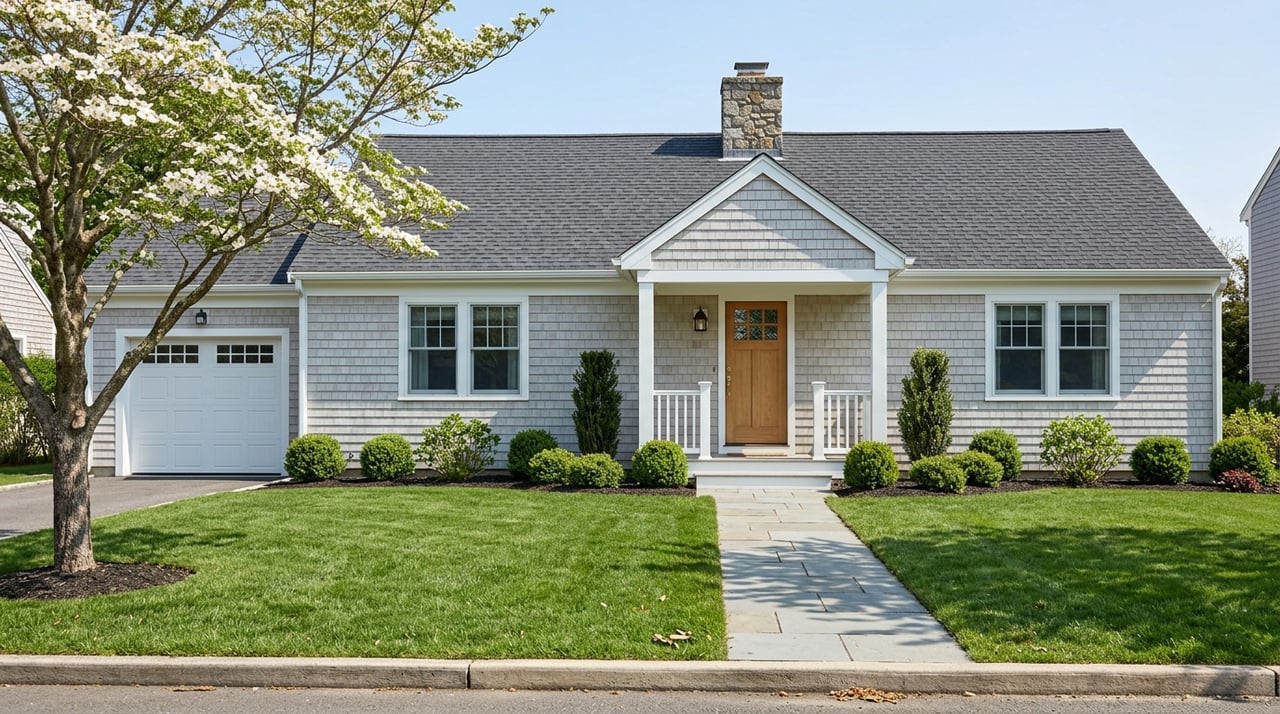
- Curb and approach. Trim trees near the house, power-wash the drive, and clean stone walls or edges so property lines read clearly. A tidy mailbox, fresh entry paint, and visible parking areas help buyers evaluate privacy and guest capacity. Westover buyers notice these details, and the neighborhood profile underscores the appeal of well-kept lots.
- Aerial and context photos. Drone and wide-angle shots reveal lot scale, treed buffers, and proximity to Mianus River Park or Fort Stamford. Aerials help out-of-area buyers understand the setting quickly and can increase engagement, as noted by drone photography case studies.
- Outdoor living staged. Create defined seating and dining areas on patios or by the pool. Set the firepit, add planters and soft lighting, and show a neat grill zone. Buyers continue to place a premium on outdoor amenities, per HomeLight’s marketing research.
Interior highlights that work in Westover
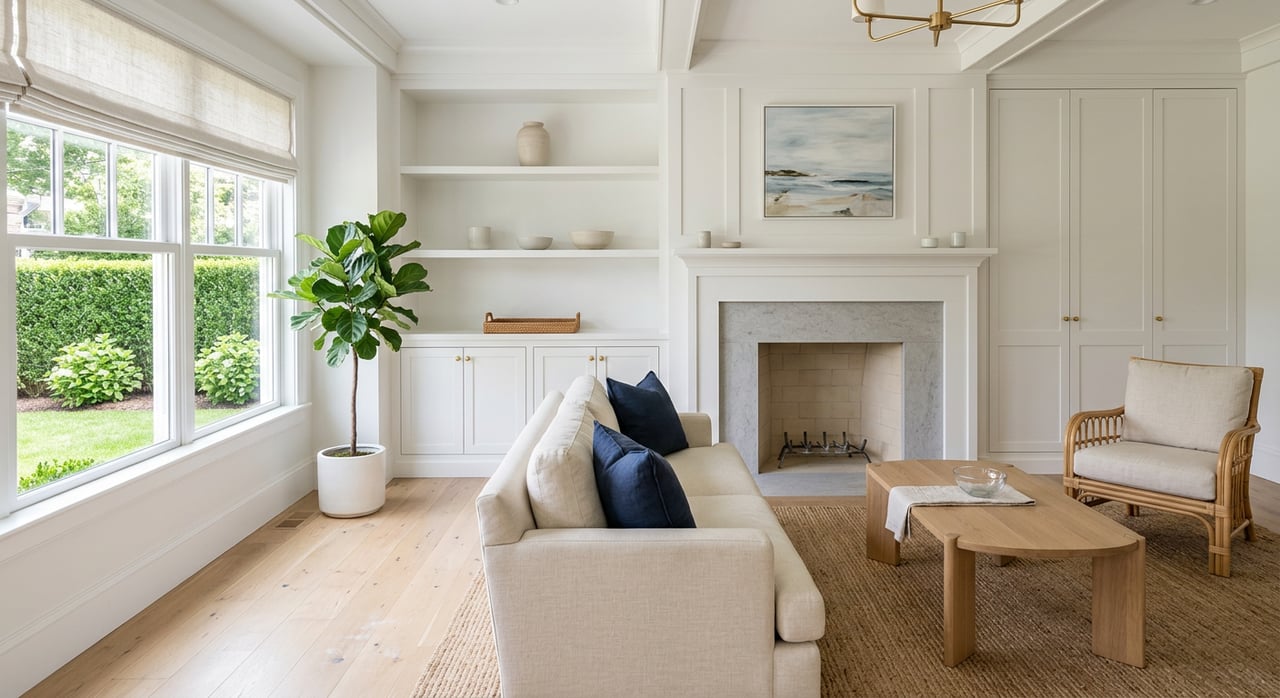
- Neutralize but keep character. Many Westover homes feature stone fireplaces, built-ins, and timber. Keep those focal points visible while using neutral paint and updated lighting so buyers can imagine their own style. Emphasize flow from kitchen to family room to patio. The Westover guide notes the area’s mix of pre-war charm and more contemporary updates.
- Home office and flex spaces. Remote and hybrid work remain common. Stage one defined office and show how a bedroom or den can flex to a gym or play space. Recent buyer-seller profiles from the National Association of REALTORS show continued interest in home offices and functional layouts. Explore highlights from NAR’s 2025 Profile here.
- Pro photography, floor plans, and 3D tours. Use a photographer who captures bright, natural light and creates clear floor plans. When feasible, schedule greenscape photos in late spring or summer for Connecticut curb appeal. See HomeLight’s tips.
Quick staging checklist
- Declutter, depersonalize, and add neutral paint where needed.
- Repair visible defects like caulking, trim, or outdated fixtures.
- Brighten rooms with LED bulbs and clean windows. Remove heavy curtains.
- Stage one purposeful office and a welcoming dining setup.
- Highlight the primary suite’s storage and circulation.
- Landscape tidy: fresh mulch, edged lawns, cleared leaves, and power-washed hardscape.
- Set outdoor seating vignettes that show how the yard lives.
- Book professional photography on a green, mild day when possible.
Time your launch for price and speed
In Connecticut, spring often brings the best mix of price and speed, with May and June performing strongest in many years. If you want to hit that window, plan on a 4 to 8 week prep period for repairs, staging, and marketing assets so you can go live with your best look. See a state-level read on seasonality from ListWithClever.
If you must list in winter, lean into warm, well-lit interior photography and consider scheduling summer exterior imagery later for use in supplemental marketing. For homes with acreage, green-season visuals can help buyers appreciate the scale and privacy of the lot.
What to expect on pace in 2026
Recent city-level trackers show median days on market in Stamford often ranges from about two to seven weeks. In Westover, well-priced properties that are move-in ready can attract attention quickly. Larger or unique estates may require more time to reach qualified out-of-area buyers, so plan for a measured campaign that includes broker opens and targeted outreach to nearby markets. The right price and polished presentation are still the biggest levers.
Disclosures and logistics in Connecticut
- Residential Property Condition Report. Most Connecticut sellers of 1 to 4 unit residential properties must provide a written Residential Property Condition Report to prospective buyers before any binder or contract is signed. Failing to provide it can trigger a buyer credit at closing and create liability. Review the statutory framework via the Connecticut General Assembly here and the Department of Consumer Protection’s guidance here. As of 2025, some sellers also must complete a Residential Foundation Condition Report where applicable.
- Federal lead-based paint rules. For homes built before 1978, you must provide the EPA and HUD lead pamphlet, make required disclosures, and offer buyers a 10-day inspection window unless waived. Read the rule overview from the EPA here.
- Pre-listing inspections and documentation. Consider a pre-listing check of roof, HVAC, and foundation to limit surprise repairs after offer. Organize permits, manuals, and receipts in one digital folder. Top agent guidance suggests building a 60 to 90 day prep plan for repairs and staging so you launch clean. See HomeLight’s seller prep advice.
How Catherine Richardson helps you sell
Selling in Westover takes a neighborhood-specific strategy. With 25+ years in Stamford, Catherine pairs hyper-local pricing insight with the marketing muscle of William Pitt Sotheby’s International Realty. Her credentials include SRS, ASP, CNE, SRES, and CDS, and her approach is client-first and negotiation-driven.
You get premium listing presentation through a curated network of stagers and photographers, dedicated property microsites, and broad MLS and IDX syndication. For Westover’s larger parcels, Catherine often recommends drone and lifestyle imagery to showcase acreage, plus a targeted outreach plan for out-of-area buyers. Most important, she builds a pricing framework grounded in a precise MLS CMA of true Westover comps, then negotiates methodically to protect your net.
Ready to map out your listing timeline and price? Request a complimentary home valuation with Catherine Richardson.
FAQs
What is the best month to list a Westover home in Stamford?
- May and June often deliver a strong combination of price and speed for Connecticut sellers, so aim your prep toward a late spring launch. Plan 4 to 8 weeks for staging, repairs, and photography so you are market-ready. See statewide seasonality insights from ListWithClever.
How do I price acreage for a Westover property?
- Use an MLS CMA that isolates similar Westover streets and adjusts for usable acreage, not just lot size on paper. Westover’s larger, wooded parcels can command premiums when they offer privacy and defined outdoor living. The Westover neighborhood profile reflects the area’s bigger lots and retreat feel.
What staging delivers the most impact in Westover?
- Lead with exterior and lot presentation, add drone imagery to show scale and setting, and stage outdoor living zones. Indoors, create a defined office, highlight flow to the patio, and use professional photos, floor plans, and 3D tours. See HomeLight’s marketing guidance and drone imaging insights here.
What disclosures do Connecticut sellers need to provide?
- Most sellers must deliver the Residential Property Condition Report before any binder or contract is signed, and some also need a Residential Foundation Condition Report. Pre-1978 homes require federal lead-based paint disclosures and the EPA pamphlet with a 10-day inspection window unless waived. Review the law via the CGA here, the DCP’s guidance here, and the EPA overview here.
How fast are Westover homes selling in 2026?
- City-level trackers show many Stamford homes selling in about two to seven weeks. In Westover, pace depends on price, acreage, and presentation. Move-in-ready and well-priced homes can move faster, while larger estates may need extra time to reach qualified out-of-area buyers. A precise price strategy and polished marketing remain the best accelerators.