Leave a Message

Thank you for your message. I will be in touch with you shortly.

Colonial Vs. Cape: Popular Home Styles In Mid‑Stamford

December 18, 2025

Trying to decide between a Colonial and a Cape in Mid-Stamford’s 06905? You are not alone. Both styles are staples in Newfield, the Ridges, and the surrounding streets, each with a distinct look and way of living. In this guide, you will learn the key differences in layout, renovation paths, and staging strategies so you can buy or sell with confidence. Let’s dive in.

What makes 06905 unique

06905 includes parts of Newfield, the Ridges, and Mid-Stamford, where you find a blend of early and mid 20th-century homes. Many properties combine original details like trim work and fireplaces with later updates such as expanded kitchens or dormered second floors. The area’s proximity to Route 1, I‑95, and downtown appeals to commuters and people who want quick access to shops and services. Buyers often value open kitchens and modern systems, while many still appreciate traditional scale and period character.

Colonial homes at a glance

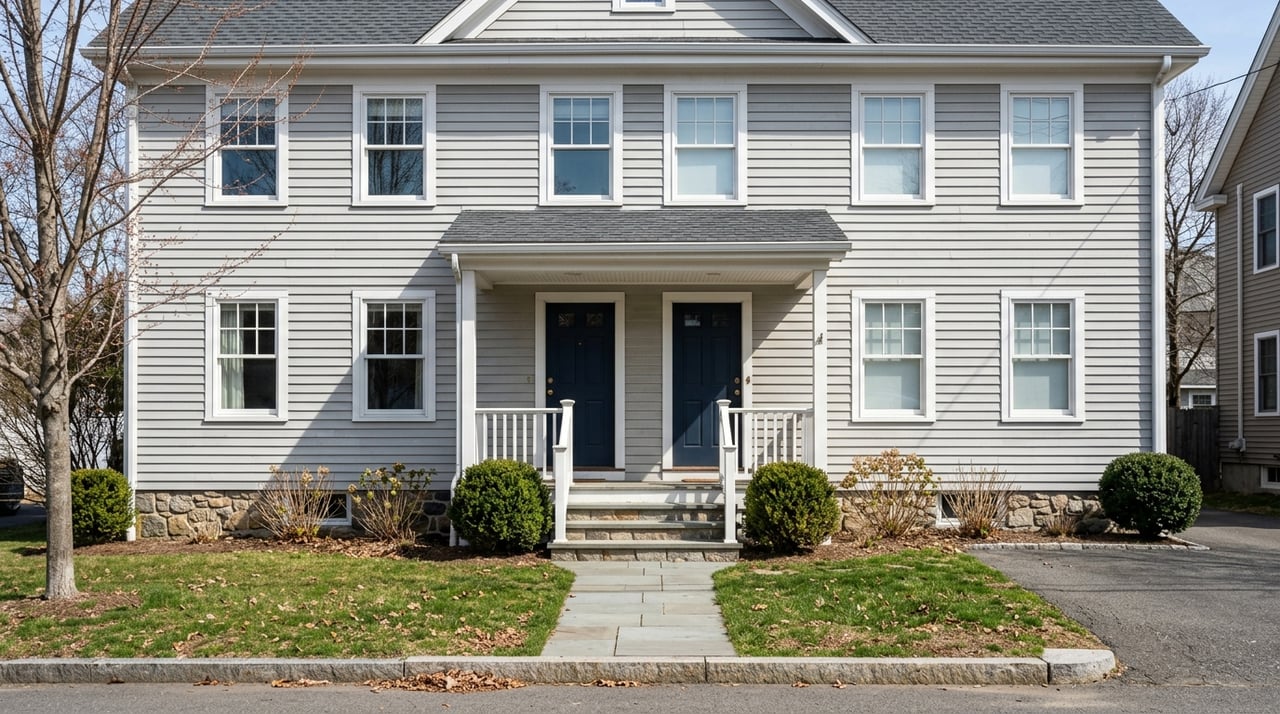
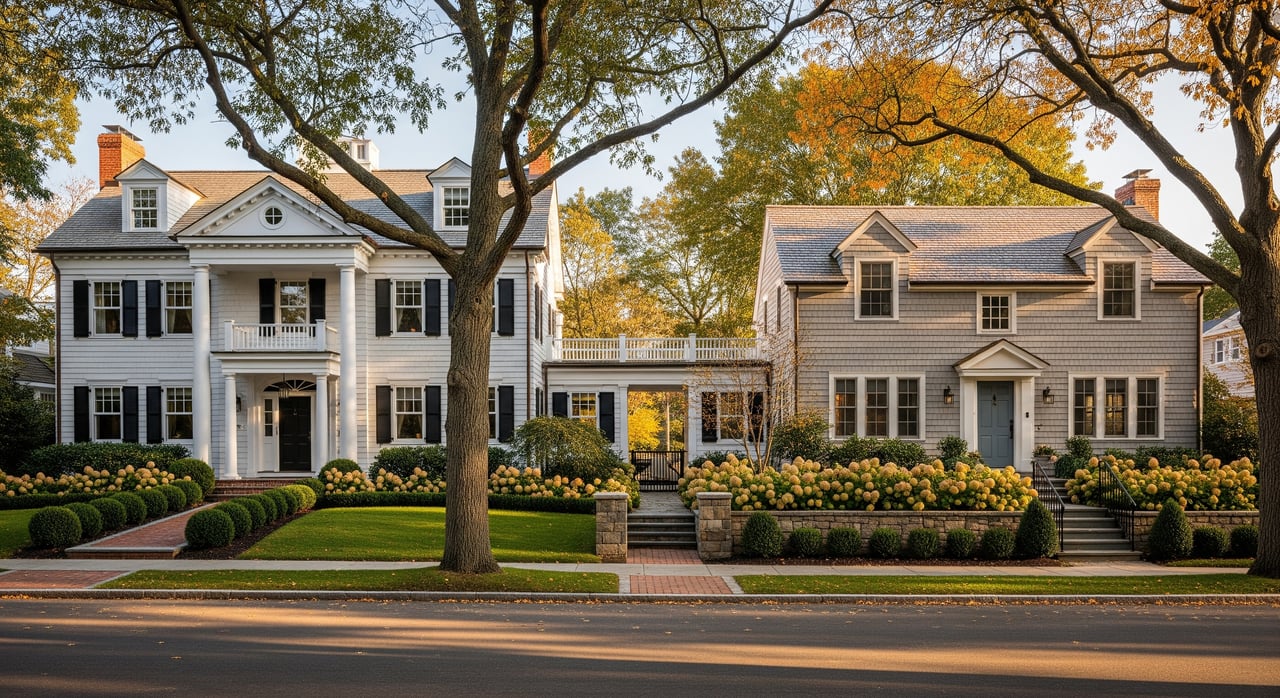
Colonials in Stamford often reflect Colonial Revival influences from the 1930s to the 1950s. You will see symmetrical facades, centered entries with simple decorative trim, and two full stories with a side-gable roof. Exteriors are typically clapboard or shingle, sometimes brick veneer, with multi-pane double-hung windows aligned across the front.

Floor plan feel

Inside, most Colonials offer a center-hall plan with formal rooms on either side. The first floor usually includes a living room, dining room, and kitchen, plus a den or family room in larger homes. The second floor features a full-height bedroom level with a central hallway and two to four bedrooms. Square footage ranges widely, from about 1,200 to more than 3,000 square feet.

Strengths to highlight

  • Classic curb appeal and symmetry
  • Full second floor with comfortable bedroom sizes
  • Architectural details like mantels, moldings, and built-ins
  • Clear separation of spaces that works well for at-home work or entertaining

Considerations for buyers

  • Older layouts can feel compartmentalized if the kitchen has not been opened
  • Some homes still have one main bath upstairs unless renovated
  • System updates may be needed depending on age and prior work

Cape Cod homes at a glance

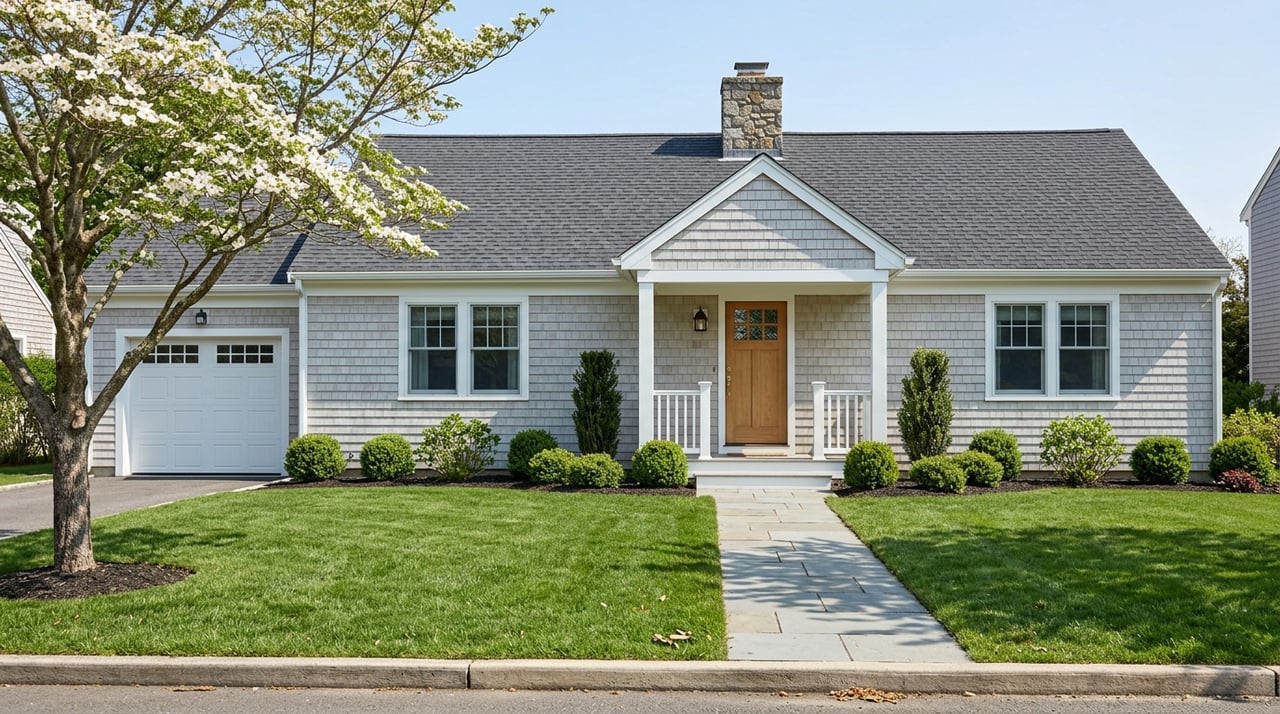
Capes in 06905 are often one or one-and-a-half stories with steep roofs and dormers. The form is compact and symmetrical, with windows flanking a simple front door and a chimney at the center or off-center. Many were built in the mid 20th century, and quite a few have expanded dormers or rear additions.

Floor plan feel

Main levels often combine living and dining areas with a modest kitchen, plus one or two bedrooms. One-and-a-half-story Capes tuck upstairs bedrooms under the roof with sloped ceilings and knee walls. The footprint is efficient and often feels more connected than a formal center-hall Colonial. Typical size ranges from about 900 to 1,600 square feet, with expanded Capes exceeding 2,000 square feet.

Strengths to highlight

  • Cozy scale with efficient use of space
  • Single-level living potential in true one-story Capes
  • Straightforward expansion via dormers or a rear addition
  • Dormered second floors can create bright bedrooms or a flexible office suite

Considerations for buyers

  • Limited full-height space upstairs in non-dormered plans
  • Smaller closets and storage compared to larger Colonials
  • Lower upstairs ceilings before dormer expansion

Colonial vs. Cape: which fits your lifestyle

  • Exterior profile: Colonial has a formal two-story box; Cape has a low, compact silhouette with a steep roof.
  • Interior flow: Colonial favors formal rooms and a central hall; Cape often feels more open and informal on the main level.
  • Bedroom level: Colonial has a full-height second floor; Cape’s upper level is a half story unless dormered.
  • Remodel paths: Colonial often benefits from selective wall openings for an open kitchen; Cape often gains space with dormers or a rear addition.
  • Best fit: Colonial suits buyers who like traditional formality and separation; Cape suits buyers who want cottage charm, efficiency, or fewer stairs.

For a quick primer on identifying features, explore the Historic New England architectural style guide for context on Colonial and Cape elements. You can review it here: Historic New England architectural style guide.

Renovation and permitting in Mid-Stamford

Older homes may include legacy systems like knob-and-tube wiring or cloth-insulated cables. Many pre-1978 houses can also have lead-based paint, and some finishes or mechanicals may contain asbestos. Always plan a thorough inspection, including chimneys, insulation levels, foundations, and roofing.

  • Structural changes: Opening a load-bearing wall in a Colonial or adding dormers to a Cape will require proper plans and permits.
  • Permits: Most structural, electrical, mechanical, roofing, and addition work requires permits. Start with the City of Stamford Building Department for guidance.
  • Property records: Confirm past permits and certificates of occupancy in advance of listing or closing. The Stamford Assessor is your go-to for property data.
  • Energy upgrades: Attic, wall, and basement insulation can improve comfort and utility costs. Look into incentives through the Connecticut Green Bank and state resources via Connecticut DEEP energy.
  • Safety checks: Verify sewer versus septic and check floodplain status. You can review maps at the FEMA Flood Map Service Center.

Staging a Colonial that wows

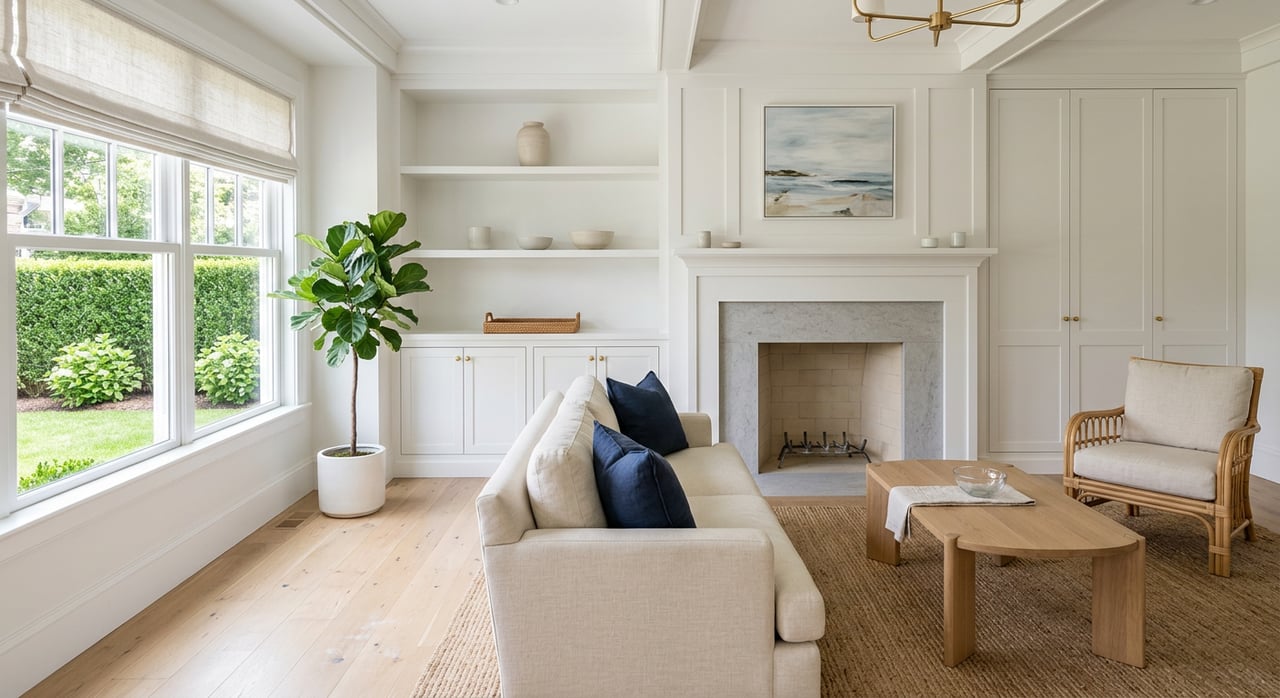
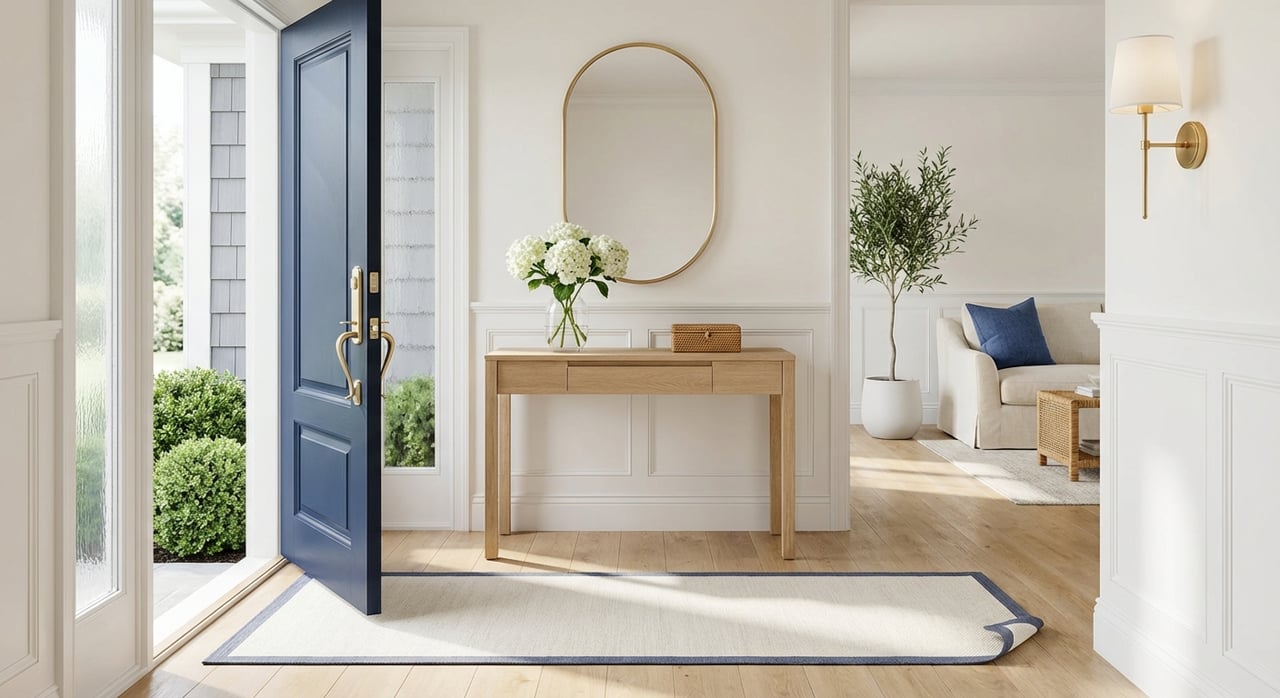
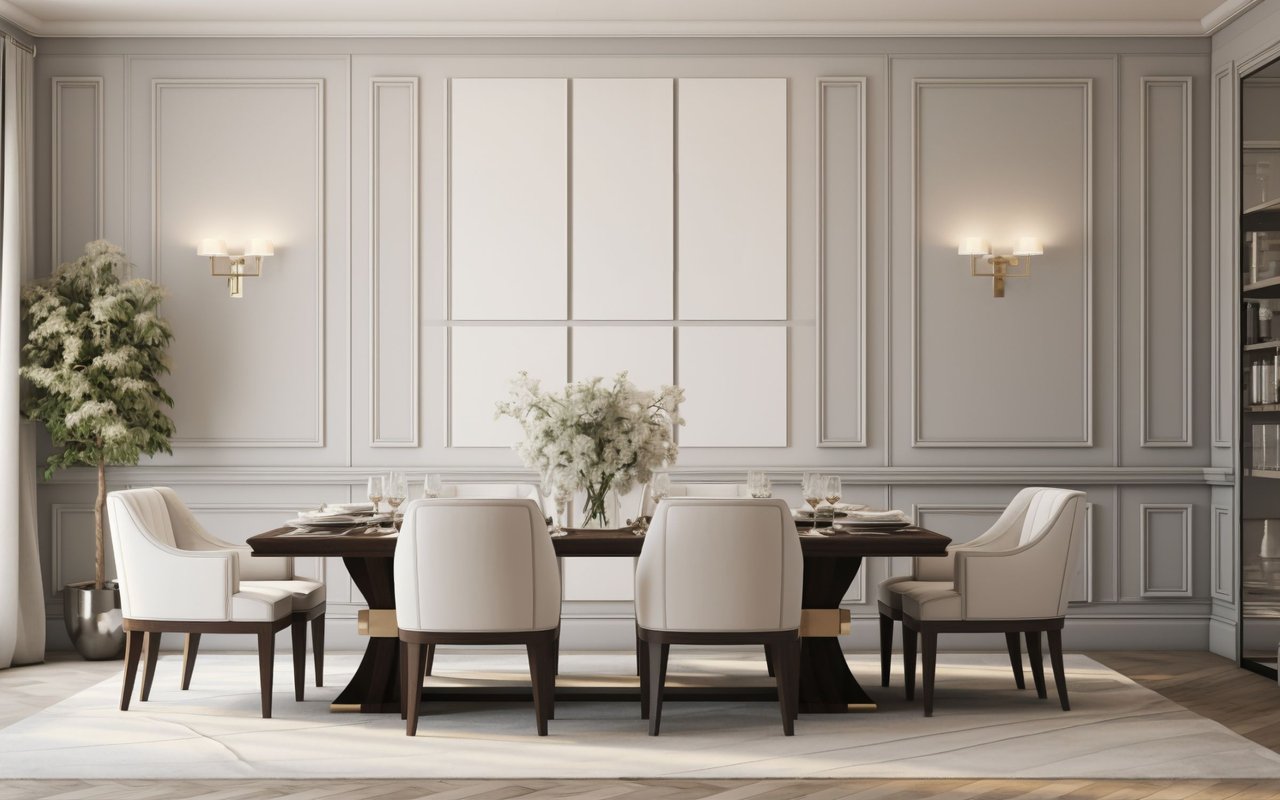
Lean into formality and symmetry. Keep the entry balanced with a centered console, mirror, and minimal decor to showcase the center hall. In the living room, arrange seating to frame the fireplace and highlight millwork. In the dining room, set a simple table to demonstrate capacity without clutter.

  • Kitchen updates: If a full open plan is not practical, a pass-through or partial opening can add visual connection while preserving trim and built-ins.
  • Bedrooms and baths: If an en suite is not feasible, stage a secondary bedroom as an office to show flexibility. Use rugs to define zones and emphasize proportions.
  • Finishes: Refinish original hardwoods where possible and keep color palettes classic. Restore, do not replace, period details when they are serviceable.

These steps align with Catherine’s ASP staging approach that favors clear room function, balanced layouts, and a calm, timeless palette.

Staging a Cape that shines

Show how a modest footprint can live large. Use smaller-scale furniture, layered lighting, and light linens to keep rooms airy. In dormered spaces, place beds and desks where ceiling height is full, then use under-eave areas for built-in drawers or low shelving.

  • Single-level living: If there is a main-floor bedroom and bath, stage it as a primary to appeal to downsizers or anyone minimizing stairs.
  • Kitchen ideas: Light cabinet colors, simple hardware, and under-cabinet lighting can brighten compact kitchens. If helpful, display a tasteful concept board that shows a potential rear addition or dormer plan.
  • Storage: Add armoires or built-ins and show under-stair storage to address closet concerns.

Listing photos and floor plans that sell

Provide a clean, scaled floor plan with room dimensions and note potential opportunities, such as a possible kitchen opening or dormer area. For Colonials, photograph the staircase and central hall to show flow. For Capes, use angles that emphasize dormer headroom and natural light upstairs. Physical staging is often more persuasive than heavy virtual staging in smaller rooms.

Smart buyer and seller checklists

  • Buyers

    • Schedule a comprehensive inspection plus targeted checks for lead paint and asbestos in older homes.
    • Verify sewer versus septic, oil tank status, and floodplain mapping.
    • Price potential projects by scope, such as kitchen openings, dormers, or insulation upgrades, and plan for proper permits.
  • Sellers

    • Service key systems, address roof and gutter issues, and fix trip hazards at walkways.
    • Gather permits, service records, and energy upgrade receipts to build buyer confidence.
    • Declutter and neutralize, then light each room well to make floor plans easy to understand.

The bottom line for 06905

Colonials and Capes each offer a distinct way of living in Mid-Stamford. If you want classic formality and a full second floor, a Colonial may fit your checklist. If you prefer a cozier scale with expandability, a Cape could be the perfect match. Thoughtful staging, targeted updates, and the right permitting path can unlock value in either style.

If you are weighing your options or planning to sell, let local guidance make the difference. Reach out to Catherine Richardson for a conversation about your goals in 06905 and request a complimentary home valuation.

FAQs

What are the main layout differences between Colonials and Capes?

  • Colonials have a center-hall plan with full-height bedrooms upstairs, while Capes are more compact with a one or one-and-a-half story layout and dormered upper rooms.

Which style is easier to expand in Mid-Stamford?

  • Capes often expand efficiently with dormers or a rear addition, while Colonials typically open the first floor by removing or modifying interior walls and may add rear additions.

What permits do I need for a kitchen wall removal or dormer?

Are older 06905 homes likely to need system updates?

  • Many do, especially electrical, insulation, and sometimes plumbing; a thorough inspection will help you prioritize upgrades and plan your budget.

How can I check flood risk for a property near a brook or low area?

Your Trusted Agent, Ready to Help

Known for her market expertise, strategic negotiation skills, and unwavering professionalism, Catherine’s true distinction lies in her ability to listen. She takes the time to understand exactly what you want.