Glenbrook Home Styles for Stamford Buyers
May 7, 2026
May 7, 2026
Wondering what kind of home you’ll actually find in Glenbrook once you start touring? That is a smart question, because this Stamford neighborhood offers a very different mix than a newer subdivision with lookalike floor plans and recent construction. If you understand the home styles common in Glenbrook, you can match your wish list to the way these homes really live day to day. Let’s dive in.
Glenbrook is an eastern Stamford neighborhood in Fairfield County with a dense, compact, mixed-use pattern. City planning documents describe it as an area where single-family homes make up a large share of the residential land area, while multifamily housing also plays an important role. The commercial core is centered around Glenbrook Road and Crescent Street near the New Canaan rail line.
That setting matters when you begin your search. Glenbrook is often seen as a commuter-friendly option, with the neighborhood core near Glenbrook station and walkable commercial corridors around Glenbrook Road and Church Street. For many buyers, the appeal is not just the house itself, but also the way location and access shape daily life.
Another big factor is age. Stamford planning documents show Glenbrook’s housing stock is older, with most homes in the historic core built between 1890 and 1930. That means you are more likely to see prewar and mid-century layouts than brand-new, open-concept plans.
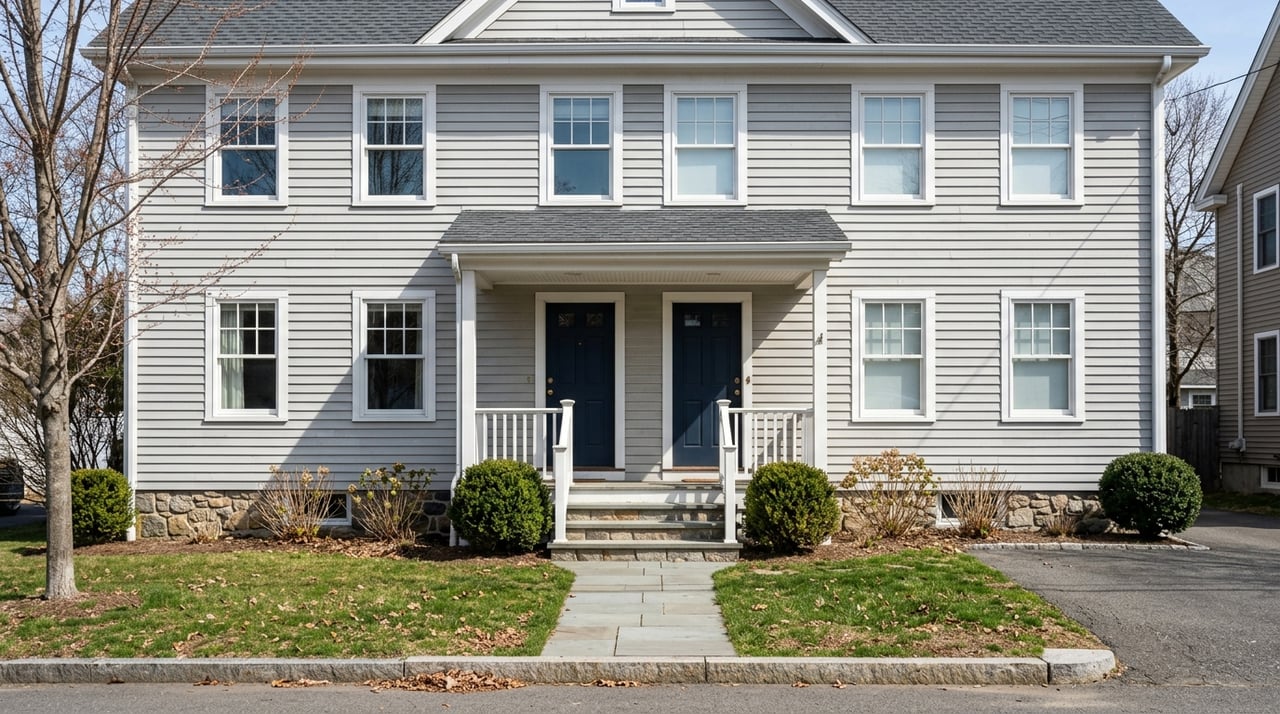
Colonials are closely tied to Glenbrook’s older residential streets. Historic records identify Colonial Revival as one of the dominant styles in the area’s 1920 to 1940 subdivisions, along with Tudor, Craftsman, Queen Anne, Stick, and related forms.
From a buyer’s perspective, recent listing examples suggest many Glenbrook colonials fall roughly in the 1,600 to 2,600-plus square foot range. These homes often offer 2 to 4 bedrooms, formal living and dining rooms, hardwood floors, front porches or entry foyers, and bedrooms grouped on the upper level. Some also include bonus third-floor space.
If you like a traditional layout with more separation between rooms, this style may feel natural to you. Colonials often suit buyers who want clearly defined spaces for living, dining, work, or guests instead of one large shared area.
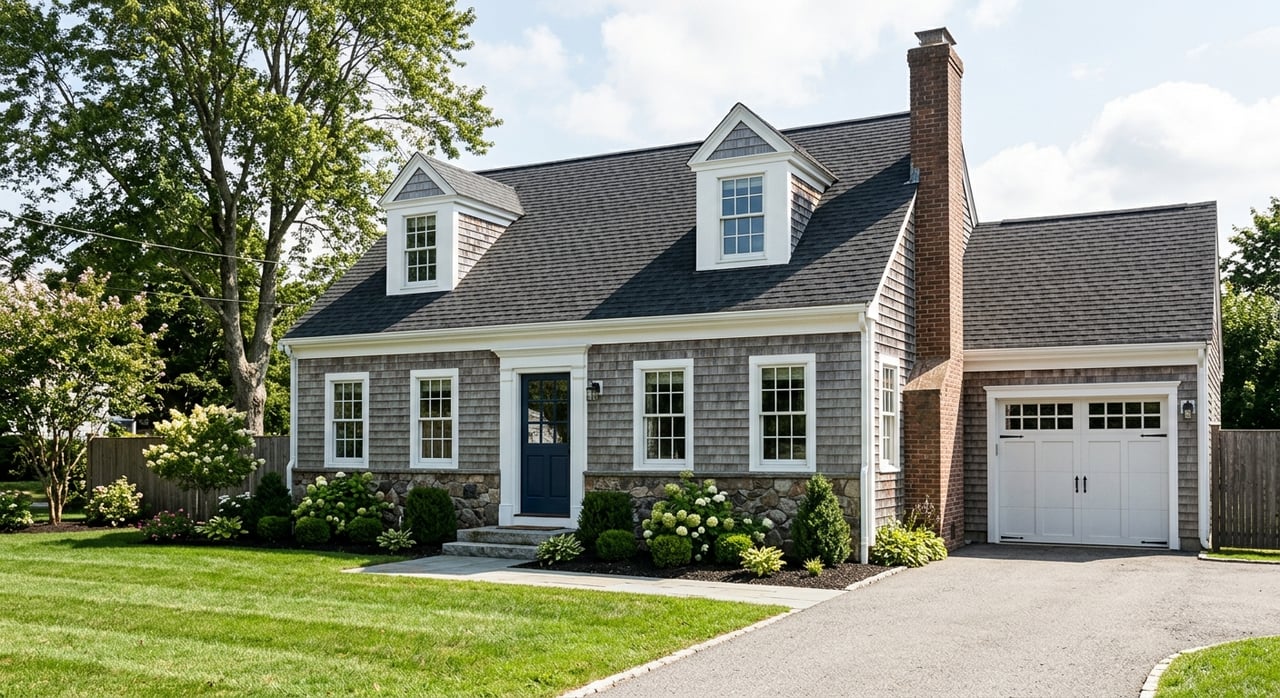
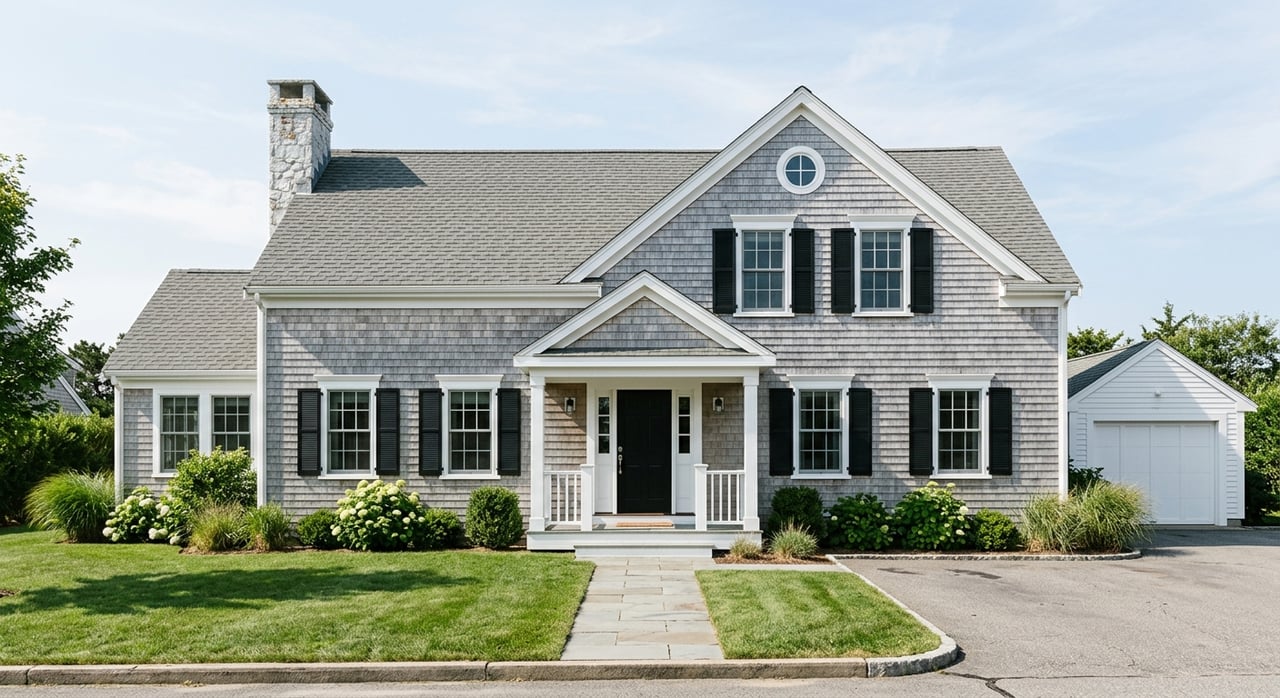
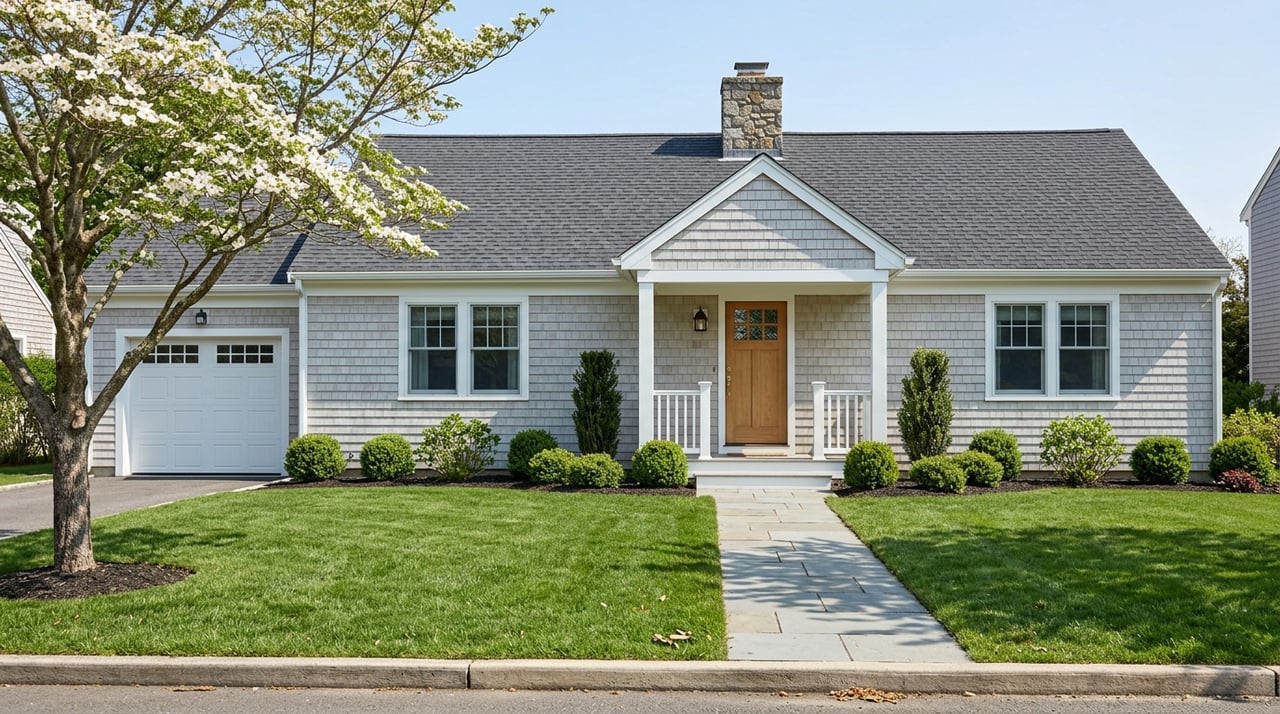
Cape Cod and expanded Cape-style homes are another common fit in Glenbrook. Based on recent sample listings, these homes often range from about 1,200 to 2,100-plus square feet and may include 3 to 4 bedrooms.
One reason buyers gravitate toward capes is flexibility. Many include at least one main-level bedroom or office, and some feature a finished lower level or expanded second floor. That can make them appealing if you want a home that works for changing needs over time.
In practical terms, a cape can offer a more manageable footprint than a larger colonial while still giving you useful living space. If you need room for remote work, long-term guests, or a household setup that may evolve, this style is worth a close look.
Glenbrook also includes smaller single-family homes and attached properties for buyers who care most about convenience and lower upkeep. Recent sample listings show single-family homes around 1,100 to 1,400 square feet, along with condo or townhouse-style options around 1,300 to 1,350 square feet.
These homes can be a strong fit if you want to stay close to the station area or keep maintenance more manageable. In return, you may need to compromise on storage, parking, or future expansion potential.
For some buyers, that tradeoff is well worth it. If your priority is access, efficiency, and a simpler ownership experience, this part of the Glenbrook housing mix deserves attention.
Although many buyers begin with detached houses in mind, Glenbrook also includes multifamily properties. Recent examples include 2-family and 3-family homes in roughly the 2,000 to 4,500 square foot range, often with off-street or detached parking and finished or expandable basements and attics.
These properties can open the door to more flexible living arrangements. Some buyers may want extra units for household members, while others may be looking for an investment-oriented purchase with owner-occupant potential.
A colonial often works best if you value structure and separation. You may have a dedicated dining room, a more formal living area, and bedrooms gathered upstairs rather than spread throughout the house.
That layout can be helpful if you want different zones for different parts of your day. It can also feel more private than an open-concept design, especially when multiple people are working or relaxing at home at the same time.
The tradeoff is that older colonials may not deliver the wide-open kitchen and family room combination many buyers picture today. If that is high on your list, you may need to focus on renovated or expanded homes.
Capes often stand out because they can adapt well to different life stages. A main-level bedroom or office can make the home easier to use now, while an expanded upper level or finished lower level can add function later.
This style can be a strong middle ground. You may get more flexibility than a smaller attached home, but a more approachable size than a larger colonial.
When comparing capes, pay attention to how the space was expanded or updated. Two homes with similar square footage can feel very different depending on ceiling lines, storage, and whether lower-level space is truly usable for everyday living.
Smaller single-family homes and attached units often appeal to buyers who want a simpler routine. Less square footage can mean less cleaning, less yard work, and fewer major systems to manage.
The flip side is that compact homes tend to ask more from every closet, driveway, and room. If you are considering a smaller property, look closely at storage, parking, and how easily the layout supports your routines.
In Glenbrook, livability is shaped by more than square footage alone. The neighborhood core near Glenbrook station and the surrounding commercial corridors create a convenience factor that can make older homes more appealing to buyers who prioritize commuting and daily access.
That is one reason home style and location should be evaluated together. A smaller home near the station may fit your lifestyle better than a larger one farther from the area’s central amenities, depending on how you move through your week.
Because so much of Glenbrook’s inventory is older, details matter. Two homes with similar bedroom counts may function very differently in real life.
As you compare options, focus on features that affect day-to-day comfort:
These are the details that often shape whether a home feels easy to live in or harder to grow into.
If you are trying to narrow your search, it helps to start with lifestyle first and style second. In Glenbrook, the best home for you may not be the newest-looking one. It may be the one whose layout aligns with how you actually live.
Here is a simple way to think about it:
A thoughtful home search in Glenbrook is less about chasing one perfect style and more about understanding how each type of property supports your goals.
With decades of Stamford market experience, Catherine Richardson helps buyers look beyond surface finishes and evaluate how a home truly fits their needs, both now and over time. If you are exploring Glenbrook and want practical, neighborhood-level guidance, connect with Catherine Richardson.
Stay up to date on the latest real estate trends.
Known for her market expertise, strategic negotiation skills, and unwavering professionalism, Catherine’s true distinction lies in her ability to listen. She takes the time to understand exactly what you want.