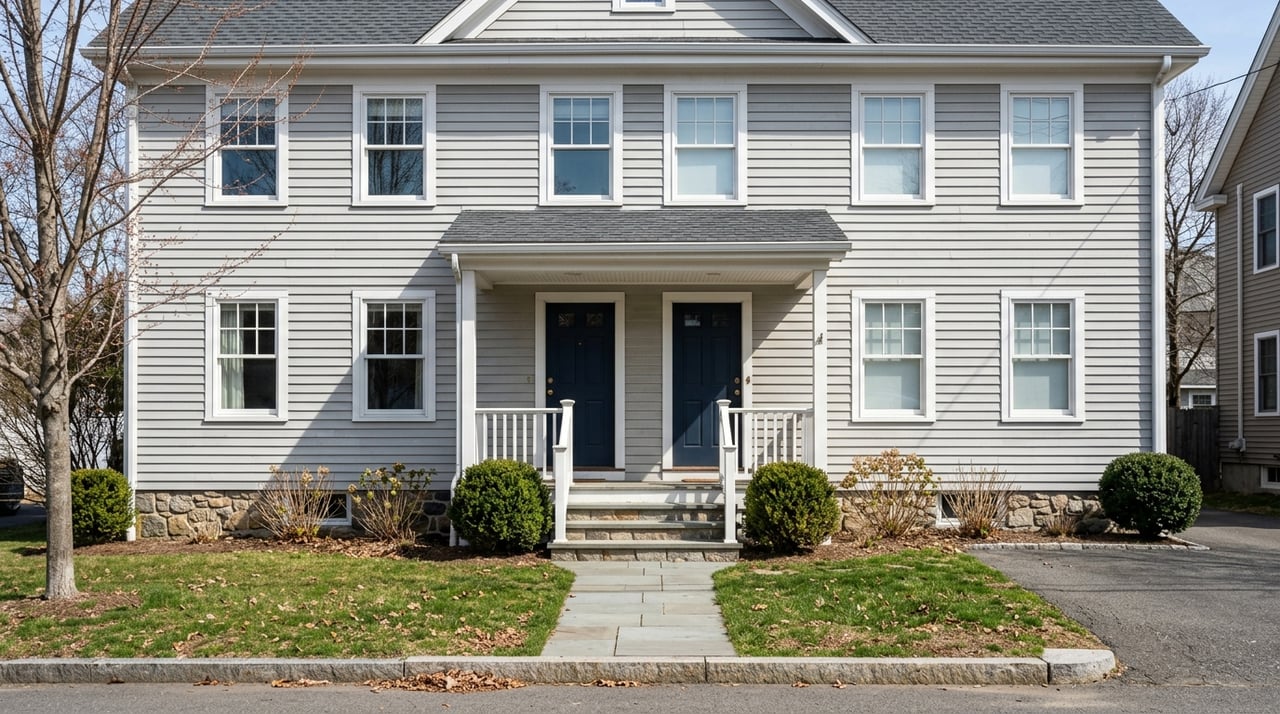
A Local Guide to Springdale Investment Properties
April 2, 2026
April 2, 2026
Thinking about buying an investment property in Springdale? This Stamford neighborhood can be appealing, but the smart play here is not betting on big redevelopment. It is understanding zoning, legal unit status, parking, and how a specific property fits the area’s small-scale housing pattern. If you want a clearer way to evaluate opportunities in Springdale, this guide will help you focus on the details that matter most. Let’s dive in.
Springdale is one of Stamford’s 13 general neighborhoods, but the city notes that neighborhood borders are not formally delineated. That means you should always underwrite a deal based on the actual parcel, zoning district, and property records instead of relying on neighborhood branding alone. According to Stamford planning documents, Springdale falls into a moderate-density, mostly single-family category alongside Glenbrook-Belltown and Ridgeway-Bulls Head.
That matters because Stamford’s 2035 Comprehensive Plan does not recommend changing single-family zones citywide. The plan says future zoning changes would be focused only in areas well served by transit and city infrastructure, so Springdale is generally better viewed as a neighborhood for smaller-scale opportunities rather than broad upzoning.
For many buyers, that creates a more grounded investment thesis. Instead of chasing a speculative land play, you can focus on current usability, condition, lot characteristics, and whether the property supports your intended strategy today.
Springdale’s housing pattern points toward detached homes and smaller-scale housing rather than large apartment buildings. Stamford’s housing plan says the biggest concentrations of newer multifamily development are downtown, in the South End, and on the West Side because of zoning constraints elsewhere.
In practical terms, Springdale often makes more sense for strategies like:
That does not mean every property will fit those uses. It means the neighborhood tends to reward careful buyers who understand the rules and can spot value in existing housing stock.
One reason Springdale stays on buyers’ radar is convenience. The Springdale Metro-North station sits on the New Canaan Branch and also has CTtransit connections, which adds commuter value for both owner-occupants and renters.
Springdale also offers neighborhood amenities that support day-to-day livability. The same station resource notes that Drotar Park is a 4.5-acre neighborhood park in the heart of Springdale. For an investment property, that kind of location context can help support long-term appeal when combined with practical features like layout, condition, and parking.
Stamford as a whole adds another layer to the story. The city’s 2024-25 annual report says Stamford had a population of 135,470 in the 2020 Census, a median household income of $96,885, and is less than one hour from New York City by rail or highway. Those broader market fundamentals can help explain why well-located housing in Stamford continues to draw attention.
If you are buying with income in mind, it helps to know the wider rental picture. Stamford says a survey of more than 50 newer apartment buildings showed an average occupancy rate of 94.9% as of June 2023. That suggests a relatively tight rental market overall.
For Springdale, the takeaway is not that every property will rent easily at any price. It is that quality, legal status, location, and condition deserve more attention than broad assumptions about vacancy. A clean, legally usable unit near transit can be much more compelling than a larger but questionable setup with permit issues.
You should also weigh parking carefully. Stamford’s Land Use Bureau says the average household has 1.59 vehicles and 11% of households have no vehicle. Even with train access nearby, many renters still need off-street parking, so driveway legality and parking capacity can materially affect your underwriting.
Accessory dwelling units can be part of the conversation in Springdale, but Stamford’s rules are specific. Under the current zoning regulations, an ADU is allowed only if all required conditions are met.
According to Stamford’s zoning regulations, key ADU requirements include:
If the property is not on public sewer, the Health Department and EPB must also confirm that the septic system can serve both units. In other words, you should never assume an ADU plan works just because the lot looks large enough.
This is one of the biggest issues in small investment properties. A basement apartment, in-law suite, or extra unit might appear functional, but that does not make it legal.
Stamford’s zoning-permit guidance says buyers should use the official address to check tax cards, permits, certificates of occupancy, and related records. The same page makes clear that Zoning Enforcement is the right place to verify current use and determine whether a property is grandfathered.
That means your due diligence should go beyond what is listed in marketing remarks. Before you write an offer, confirm that the number of units, layout, and use all match the city record.
If you are considering a duplex, triplex, or fourplex, you will want to ask for more than rent rolls and utility costs. Stamford requires an annual Multiple Family Dwelling License for older multifamily assets, and the city also has occupancy rules that can affect leasing.
The city’s permits and licenses page says that if a building is fifteen years old and contains four or more apartments, a Certification of Apartment Occupancy is required whenever a unit is vacated. It is illegal to rent an apartment without a CAO when one is required.
For buyers, that means paperwork matters. If a seller cannot produce the right records, you may be inheriting delay, cost, or compliance risk after closing.
Property taxes should be part of every offer analysis in Springdale. Stamford’s Property Assessment office says mill rates are set annually by the Board of Finance, the district rate determines annual tax liability, and the next citywide revaluation is currently scheduled for 2027.
The same office notes that Stamford is divided into four taxing districts plus a separate personal-property district. That means two properties with similar prices can carry different tax burdens depending on the exact parcel and district.
This is one more reason hyper-local guidance matters. In a neighborhood like Springdale, your numbers should be built around the actual address, not a rough neighborhood average.
Before you move forward on any Springdale investment property, make sure you can answer these questions clearly:
This kind of checklist may feel basic, but it is often where good investments are won or lost. In Springdale, the best opportunities usually come from disciplined due diligence, not shortcuts.
Springdale can be a smart place to buy if your strategy matches the neighborhood. Stamford’s planning documents consistently point to preserving lower-density residential areas while concentrating larger growth in other parts of the city. That makes Springdale better suited to small-scale, carefully vetted investments than to broad redevelopment assumptions.
If you are looking at a single-family rehab, house-hack, or a property with ADU potential, local knowledge can help you avoid expensive mistakes. You want to understand not just the listing, but how Stamford’s zoning, tax districts, transit access, and permit history shape the real opportunity.
If you are weighing a Springdale purchase and want a broker who knows Stamford block by block, Catherine Richardson offers thoughtful, neighborhood-level guidance to help you evaluate properties with clarity and confidence.
Stay up to date on the latest real estate trends.





Known for her market expertise, strategic negotiation skills, and unwavering professionalism, Catherine’s true distinction lies in her ability to listen. She takes the time to understand exactly what you want.